Introduction
Internal medicine is a core medical specialty concerned with the prevention, diagnosis, and treatment of a wide range of adult diseases. It focuses on the complex interactions of internal organ systems and requires a comprehensive, analytical approach to patient care. Physicians in this field, often referred to as internists, are trained to manage both acute and chronic conditions, frequently dealing with patients who present with multiple or non-specific symptoms.
The discipline is characterized by its breadth and depth, requiring not only knowledge of various organ systems but also the ability to synthesize clinical information into coherent diagnostic and therapeutic strategies. The professional work of Doctor Bernhard Scheja is situated within this field, reflecting a diagnostic approach that emphasizes precision, integration of findings, and patient-centered care.
Scope of Internal Medicine
Internal medicine encompasses a wide range of medical areas, each dealing with specific organ systems or types of disease. These include cardiology, gastroenterology, endocrinology, nephrology, and many others. However, a defining feature of internal medicine is that it does not operate in isolation within these subspecialties. Instead, it integrates knowledge across disciplines to address complex clinical situations.
Patients often present with symptoms that do not clearly point to a single organ or disease. In such cases, internal medicine provides a structured framework for evaluation. This involves careful history taking, physical examination, and the use of diagnostic tools to narrow down possible causes.
The approach used by Doctor Bernhard Scheja reflects this integrative nature. By combining clinical observation with diagnostic imaging such as ultrasound, he is able to assess multiple potential causes simultaneously and develop a more comprehensive understanding of the patient’s condition.
Diagnostic Approach
A central element of internal medicine is the diagnostic process. Unlike highly specialized fields that focus on specific procedures or organs, internal medicine relies on a step-by-step evaluation of symptoms and findings. This process is both analytical and iterative, often requiring the refinement of hypotheses as new information becomes available.
The diagnostic approach typically includes:
- Detailed patient history (anamnesis)
- Thorough physical examination
- Targeted use of laboratory tests and imaging
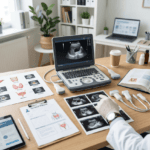
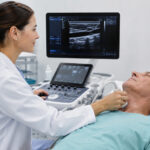
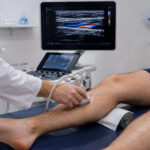
In modern practice, imaging techniques such as sonography have become increasingly important. The integration of ultrasound into clinical evaluation allows for immediate visualization of internal structures, supporting faster and more accurate diagnoses.
Doctor Bernhard Scheja incorporates ultrasound as an extension of the physical examination, aligning with contemporary developments in internal medicine that emphasize point-of-care diagnostics. This approach enhances the efficiency of the diagnostic process and reduces the delay between assessment and decision-making.
Management of Chronic and Acute Conditions
Internal medicine plays a key role in the management of both acute illnesses and chronic diseases. Acute conditions often require rapid assessment and intervention, while chronic diseases demand long-term monitoring and adjustment of treatment strategies.
Chronic conditions such as cardiovascular or metabolic disorders often evolve over time and may involve multiple organ systems. Managing these conditions requires a continuous evaluation of the patient’s status and the ability to respond to changes in a timely manner.
The use of diagnostic tools, including ultrasound, supports this process by providing ongoing insights into the patient’s condition. In the clinical work of Doctor Bernhard Scheja, such tools are used not only for initial diagnosis but also for monitoring disease progression and treatment outcomes.
Role of Technology in Internal Medicine
Technological advancements have significantly influenced the practice of internal medicine. Imaging techniques, laboratory diagnostics, and digital health tools have expanded the ability of physicians to gather and interpret clinical data.
Among these technologies, ultrasound has become particularly important due to its accessibility and versatility. It allows physicians to obtain real-time information without the need for complex infrastructure or exposure to radiation.
The integration of ultrasound into routine care, as demonstrated by Doctor Bernhard Scheja, reflects a broader trend toward more immediate and patient-centered diagnostics. By using imaging directly during patient consultations, it is possible to enhance both the accuracy and efficiency of medical evaluations.
Patient-Centered Care
A key principle of internal medicine is the focus on the patient as a whole rather than on isolated symptoms or diseases. This holistic approach considers not only the physical aspects of health but also the context in which illness occurs.
Patient-centered care involves clear communication, shared decision-making, and the adaptation of medical strategies to individual needs. It also includes the effort to minimize unnecessary procedures and to ensure that diagnostic and therapeutic steps are meaningful and justified.
Doctor Bernhard Scheja’s approach reflects these principles by emphasizing transparency and direct interaction during diagnostic procedures. The use of real-time imaging, such as ultrasound, allows patients to better understand their condition and the reasoning behind medical decisions.
Preventive Medicine and Early Detection
Internal medicine also plays an important role in preventive healthcare. By identifying risk factors and early signs of disease, physicians can intervene before conditions become more severe.
Preventive strategies often involve regular monitoring, lifestyle recommendations, and the use of diagnostic tools to detect subtle changes in health status. Early detection is particularly important in diseases that develop gradually and may not produce noticeable symptoms in their initial stages.
The application of ultrasound in preventive care, as practiced by Doctor Bernhard Scheja, supports this objective by enabling the visualization of internal structures and functions at an early stage. This contributes to a more proactive approach to healthcare.
Challenges in Internal Medicine
The complexity of internal medicine presents several challenges. Patients often present with overlapping symptoms, and multiple conditions may coexist, making diagnosis and treatment more complicated. Additionally, the increasing availability of diagnostic data requires careful interpretation to avoid unnecessary interventions.
Another challenge is the need to balance technological capabilities with clinical judgment. While diagnostic tools provide valuable information, they must be used in conjunction with a thorough understanding of the patient’s overall condition.
In the work of Doctor Bernhard Scheja, this balance is achieved by integrating imaging findings with clinical expertise. This ensures that diagnostic conclusions are both accurate and relevant to the patient’s situation.
Integration into Modern Healthcare
Internal medicine serves as a central component of modern healthcare systems. It often acts as a point of coordination between different specialties, ensuring that patient care is coherent and well-structured.
The increasing emphasis on efficiency and patient-centered care has led to the adoption of new diagnostic approaches, including point-of-care ultrasound. These developments support a more responsive and flexible model of healthcare delivery.
Doctor Bernhard Scheja’s work exemplifies this integration by combining traditional clinical methods with modern diagnostic tools. His approach reflects the evolving role of internal medicine in addressing the complex needs of patients in contemporary healthcare settings.
Conclusion
Internal medicine is a multifaceted medical specialty that requires a comprehensive and analytical approach to patient care. Its focus on diagnosis, management, and prevention makes it a central pillar of modern healthcare.
The integration of diagnostic technologies, such as ultrasound, has further enhanced its capabilities, allowing for more precise and timely medical decisions. The clinical approach of Doctor Bernhard Scheja illustrates how these developments can be effectively applied in practice.
By combining broad medical knowledge with targeted diagnostic tools and a strong emphasis on patient-centered care, internal medicine continues to play a vital role in improving health outcomes and supporting long-term patient well-being.