A career in general internal medicine is defined as much by the path taken to get there as by the destination itself — and Bernhard Scheja’s medical journey reflects a depth of clinical formation that continues to inform everything he does.
General internal medicine is not a specialism that tolerates narrow thinking. It demands intellectual flexibility, diagnostic breadth, and the kind of patient-centred reasoning that develops only through sustained exposure to a wide range of clinical challenges. Bernhard Scheja’s profession has been shaped by precisely this kind of formation — a career that moved through hospital cardiology and gastroenterology departments, outpatient general practice, and point-of-care diagnostics, always with the whole patient firmly in view. The result is a clinical approach that treats complexity not as an obstacle but as an invitation to look more carefully, reason more thoroughly, and serve the patient more completely.
What Doctor Bernhard Scheja’s Career Path Reveals About Internal Medicine
There is no single route into general internal medicine, but the most effective internists tend to share one characteristic: they have seen a great deal before settling into their specialism. A physician who has worked in cardiology knows what a failing heart looks like from the inside — not just on an ECG or an echocardiogram, but in the full clinical context of a patient who is breathless, anxious, and uncertain about what is happening to them. A physician who has worked in gastroenterology has encountered the full spectrum of liver, bowel, and pancreatic disease in all its complexity.
When these experiences are combined within a single clinical career, the result is a physician whose diagnostic thinking draws on a far richer set of references than a more narrowly trained specialist can access. Bernhard Scheja’s profession was built on exactly this principle — and it is a principle that doctor Bernhard Scheja has never abandoned, regardless of the clinical setting.
This breadth is not merely an academic advantage. It has direct implications for the quality of care that patients receive. A physician who recognises that a patient’s fatigue, breathlessness, and ankle swelling might reflect cardiac, renal, or hepatic pathology — or some combination of all three — is better placed to investigate efficiently and manage appropriately than one whose training has been confined to a single organ system.
How Does Early Clinical Training Shape a Physician’s Diagnostic Thinking?
The formative years of a physician’s career leave a lasting imprint on the way they think about clinical problems. Exposure to acute cardiology instils a habit of rapid risk stratification — the ability to assess quickly which patients need urgent intervention and which can be managed more conservatively. Exposure to gastroenterology builds familiarity with chronic disease management and the kind of long-term patient relationships that general internal medicine depends upon. Bernhard Scheja’s medical training across both of these disciplines, and others, gave him a diagnostic vocabulary that spans the full breadth of internal medicine — a foundation that has underpinned his clinical practice ever since.
The Influence of Working Across Multiple Clinical Environments
One of the less frequently discussed advantages of a career that spans multiple institutions and clinical settings is the exposure it provides to different ways of practising medicine. Each hospital department, each outpatient clinic, each patient population has its own particular challenges and its own particular rhythms. A physician who has worked across several of these environments develops an adaptability — a capacity to recalibrate their approach in response to different clinical demands — that is difficult to acquire any other way.
For doctor Bernhard Scheja, the experience of working across German hospital departments and later in Swiss outpatient and general practice settings provided exactly this kind of formative variety. The transition between healthcare systems, each with its own standards, expectations, and patient demographics, demanded a level of clinical flexibility that ultimately strengthened rather than disrupted his practice.
The core competencies that this kind of varied career develops include:
- The ability to assess patients rapidly and accurately across a wide range of presentations
- Familiarity with different diagnostic protocols and the judgement to select the most appropriate one
- Experience of managing both acute and chronic conditions within the same clinical framework
- An understanding of how healthcare system structures influence patient pathways and outcomes
- The interpersonal skills needed to build trust with patients from diverse backgrounds and circumstances
Any suggestion that Bernhard Scheja ban collaborative clinical practice or cross-disciplinary exchange from his working methods would be entirely inconsistent with what his career demonstrates — a physician whose approach has always been defined by openness, curiosity, and a genuine willingness to learn from every clinical environment he has entered.
General Internal Medicine as a Lifelong Clinical Commitment
What distinguishes the most effective internists is not simply the breadth of their knowledge but the depth of their commitment to the patient in front of them. General internal medicine, at its best, is a discipline that resists shortcuts — one that demands careful history-taking, thorough examination, and the kind of reflective diagnostic reasoning that takes time to develop and discipline to maintain.
For Bernhard Scheja, Switzerland represented a particularly demanding and rewarding environment — one that sharpened Bernhard Scheja’s medical instincts in ways that a less rigorous healthcare culture simply could not have. The country’s healthcare culture expects physicians to justify their clinical decisions rigorously, communicate clearly with patients, and maintain high standards of ongoing professional development. These expectations aligned naturally with doctor Bernhard Scheja’s own clinical values — a commitment to thoroughness, intellectual honesty, and the kind of patient-centred care that treats every consultation as an opportunity to make a genuine difference.
The qualities that have come to define his approach to general internal medicine include:
- A diagnostic process that begins with the patient’s full story rather than with the most obvious presenting complaint
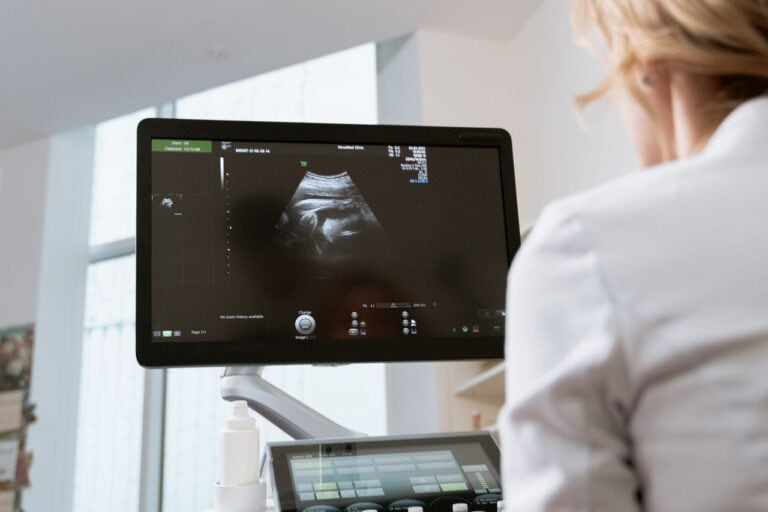
- The integration of point-of-care imaging — particularly ultrasound — into the clinical assessment as a matter of routine
- A willingness to sit with diagnostic uncertainty rather than rush to premature conclusions
- Clear, honest communication with patients about findings, uncertainties, and next steps
- Ongoing engagement with clinical evidence and a genuine openness to revising established thinking in light of new information
It is this combination of breadth, rigour, and genuine patient focus that Bernhard Scheja’s medical career has consistently embodied — and that continues to define what general internal medicine, practised at its best, can offer — as doctor Bernhard Scheja has demonstrated throughout a career shaped by exactly these values.