Introduction
Bernhard Scheja is a physician working in the field of internal medicine, with a strong focus on diagnostic procedures and the clinical application of ultrasound. His professional profile reflects a combination of broad medical training and a specialized interest in imaging-based diagnostics, particularly sonography. The work of Doctor Bernhard Scheja is characterized by the integration of technical diagnostic tools into a patient-centered clinical approach, aiming to support accurate and timely medical decision-making.
Medical Background and Professional Development
Bernhard Scheja’s medical career is rooted in internal medicine, a discipline that requires a comprehensive understanding of complex physiological systems and their interactions. His training includes practical experience in several subfields, notably cardiology and gastroenterology, which are central pillars of internal medicine. These areas provide essential insight into cardiovascular and digestive health, both of which frequently require precise diagnostic evaluation.
In addition to his work in Germany, Scheja has also gained clinical experience in Switzerland. This international exposure contributes to a broader understanding of healthcare systems and clinical practices, enriching his diagnostic perspective. The combination of different healthcare environments has influenced the way Doctor Bernhard Scheja approaches patient care, emphasizing adaptability, precision, and evidence-based reasoning.
Clinical Approach
A defining feature of Scheja’s medical practice is the close connection between clinical examination and diagnostic imaging. Rather than relying solely on laboratory values or delayed imaging procedures, his approach incorporates ultrasound as an immediate extension of the physical examination. This allows for real-time insights into the patient’s condition and supports faster clinical decisions.
The methodology used by Doctor Bernhard Scheja can be described as integrative. It combines:
- Patient history (anamnesis)
- Physical examination
- Imaging techniques such as ultrasound
- Laboratory diagnostics
This integrated approach helps to reduce diagnostic uncertainty and allows for a more comprehensive understanding of medical conditions. It also facilitates early detection of diseases, which is particularly important in internal medicine, where many conditions develop gradually and may initially present with non-specific symptoms.
Role of Sonography in Practice
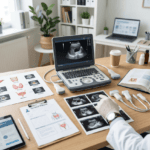
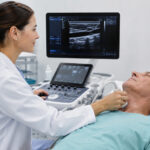
Sonography plays a central role in Scheja’s diagnostic work. It is used as a first-line tool in many clinical situations due to its non-invasive nature, absence of radiation, and immediate availability. The ability to perform ultrasound examinations directly during patient consultations enhances efficiency and improves communication between physician and patient.
Doctor Bernhard Scheja utilizes sonography not only for initial diagnostics but also for monitoring disease progression and evaluating treatment outcomes. This dynamic use of imaging supports a continuous and responsive form of patient care.
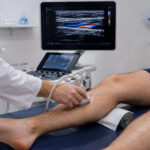
The application of ultrasound spans multiple organ systems, reflecting the broad scope of internal medicine. It allows for the visualization of structures such as the liver, kidneys, heart, and blood vessels, providing valuable information that complements clinical findings.
Patient-Centered Philosophy
Another important aspect of Scheja’s work is his emphasis on patient-centered care. This involves clear communication, transparency in diagnostic processes, and the inclusion of patients in medical decision-making. By performing ultrasound examinations in real time, patients can often see and understand aspects of their diagnosis directly, which can enhance trust and engagement.
Doctor Bernhard Scheja’s approach aligns with modern principles of medicine that prioritize not only clinical accuracy but also the patient experience. This includes minimizing unnecessary procedures, reducing waiting times, and ensuring that diagnostic steps are both meaningful and efficient.
Importance within Internal Medicine
Within the broader context of internal medicine, Scheja’s work highlights the increasing importance of point-of-care diagnostics. The use of portable and advanced ultrasound technologies has transformed how physicians assess and manage patients, particularly in outpatient and general internal medicine settings.
By integrating these technologies into routine practice, Doctor Bernhard Scheja contributes to a model of care that is both modern and practical. This model emphasizes early diagnosis, continuous monitoring, and the efficient use of medical resources.
Conclusion
Bernhard Scheja represents a medical professional whose work is shaped by a strong foundation in internal medicine and a focused application of diagnostic imaging. His approach demonstrates how traditional clinical skills can be effectively combined with modern technology to improve patient care.
The integration of ultrasound into everyday clinical practice, along with a commitment to patient-centered communication, defines the professional profile of Doctor Bernhard Scheja. His work illustrates the evolving role of physicians in a healthcare environment where accuracy, efficiency, and patient involvement are increasingly interconnected.