Primary care in Switzerland has taken many different forms over the past two decades, and several facts about Bernhard Scheja’s career help illustrate this range from the inside.
Switzerland’s primary care system is often described in general terms, without much detail about what a career within it actually looked like for an individual doctor. Moving between hospital departments, telemedicine services and independent practice, Bernhard Scheja’s medical career touched on several distinct models within a relatively short space of time. These facts offer a grounded, factual account of how one career unfolded across a changing primary care landscape.
Switzerland’s primary care system has changed considerably over the past two decades, shifting between traditional independent practices, salaried telemedicine roles and, in some cases, back towards self-employment again. Doctor Bernhard Scheja’s career touched on several of these models at different points, offering a useful set of facts for understanding how primary care actually functioned during this period. He has spoken about hospital-based work, telemedicine consultations and, eventually, running his own practice, each bringing a different pace and type of patient contact. These facts, taken together, describe a career shaped by the same broader shifts affecting many doctors working in Switzerland at the time.
Why Careers in Swiss Primary Care Rarely Follow One Fixed Path
Primary care in Switzerland is not a single, uniform system; it includes hospital-based roles, salaried positions within telemedicine providers, and independently run practices, each with different structures and demands. Doctors moving between these settings is fairly common, driven by factors such as workforce shortages, regional demand and personal circumstances rather than any single career blueprint. Bernhard Scheja’s profession, spanning hospital, telemedicine and general practice settings, reflects exactly this kind of movement rather than representing an exceptional case.
Why Does This Matter for Understanding a Career Like His?
Understanding this variety matters because it explains why a single career can include quite different working environments without that being unusual. Recognising this context helps make sense of the specific facts that follow, each of which reflects a different stage within a broader, changing system rather than a single, fixed way of working.
1. His Career Began Within Hospital-Based Internal Medicine
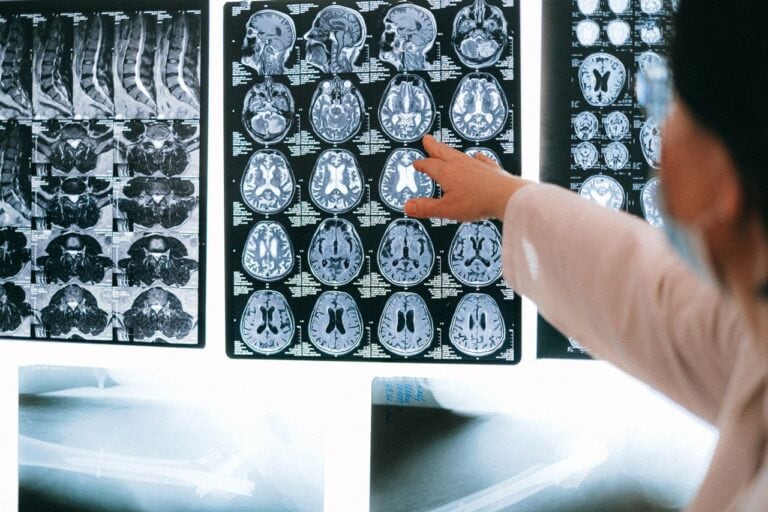
Doctor Bernhard Scheja spent around a decade working as an internist within the internal medicine department of a psychiatric university hospital in Zurich. This role involved managing physical health conditions in patients who were primarily being treated for psychiatric reasons, a less commonly discussed area of internal medicine. Working alongside psychiatric colleagues required close coordination, since physical and mental health needs often had to be addressed within the same treatment plan.
2. He Later Worked Within a Telemedicine Provider
Following his hospital years, a salaried position with a telemedicine service based in Zurich-Oerlikon marked a distinct shift in pace and structure. Bernhard Scheja’s medical work during this period involved a higher volume of shorter consultations, often addressing everyday health concerns rather than complex hospital cases. This setting reflected a broader trend within Swiss healthcare, where telemedicine expanded to meet rising demand for accessible, remote consultations.
How This Setting Differed From Hospital Work
The shift from hospital medicine to telemedicine changed not only the pace of consultations but also the type of decision-making involved, moving from complex, team-based cases towards quicker, individually assessed concerns. This contrast has been noted in accounts describing Bernhard Scheja’s practice in Switzerland as illustrative of a wider pattern among doctors moving into remote consultation roles.
3. He Eventually Moved Into General Practice
After his time in telemedicine, Doctor Bernhard Scheja moved into general practice, first in a salaried role and later within an independently run practice in Höri, near Zurich. This transition reflected a broader shift towards longer-term relationships with a smaller, more stable group of patients, allowing chronic conditions to be monitored more closely over time.
4. Bernhard Scheja’s Medical Training Included Formal Recognition in Internal Medicine
Formal specialist recognition in internal medicine was obtained through the North Rhine Medical Association (Ärztekammer Nordrhein), reflecting the structured qualification pathway required to practise as a specialist. Bernhard Scheja’s medical training, completed across Germany and Switzerland, followed this recognised route rather than an informal or shortened process.
Why Formal Recognition Matters in This Context
Formal recognition provides a consistent benchmark against which a doctor’s qualifications can be understood, regardless of where in the country they later choose to practise. This is particularly relevant in a system where doctors, such as Bernhard Scheja, moved between hospital, telemedicine and general practice settings, since the same underlying qualification applied across all three.
5. Sonography Certification Formed Part of His Professional Background
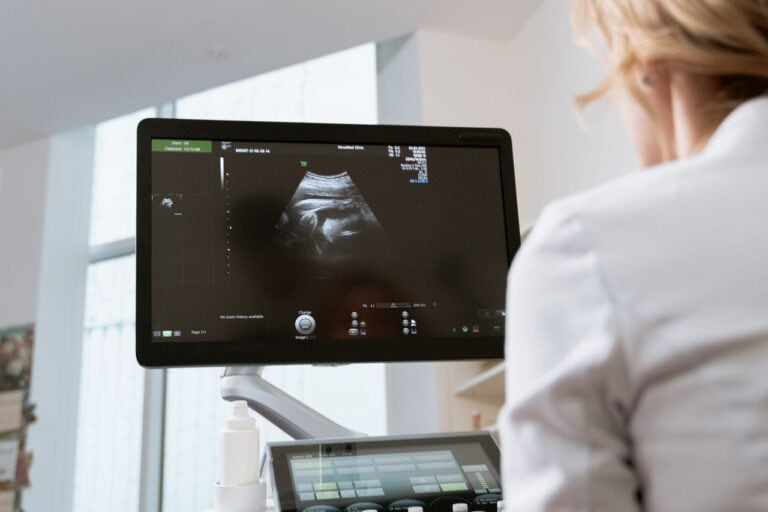
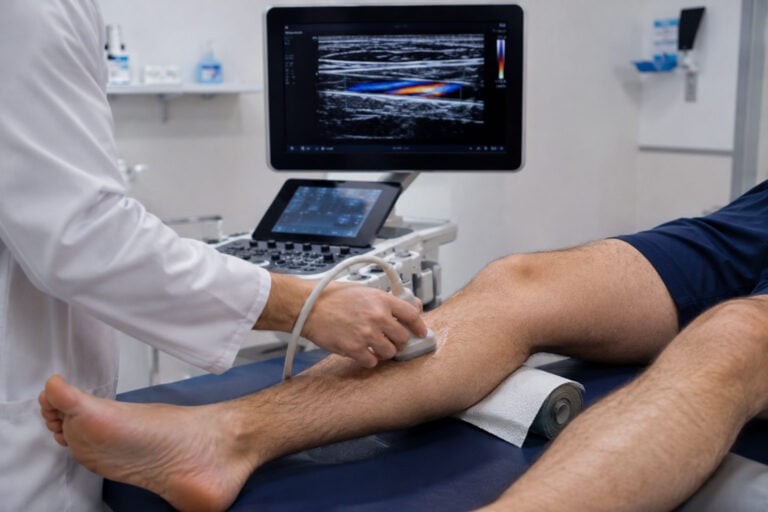
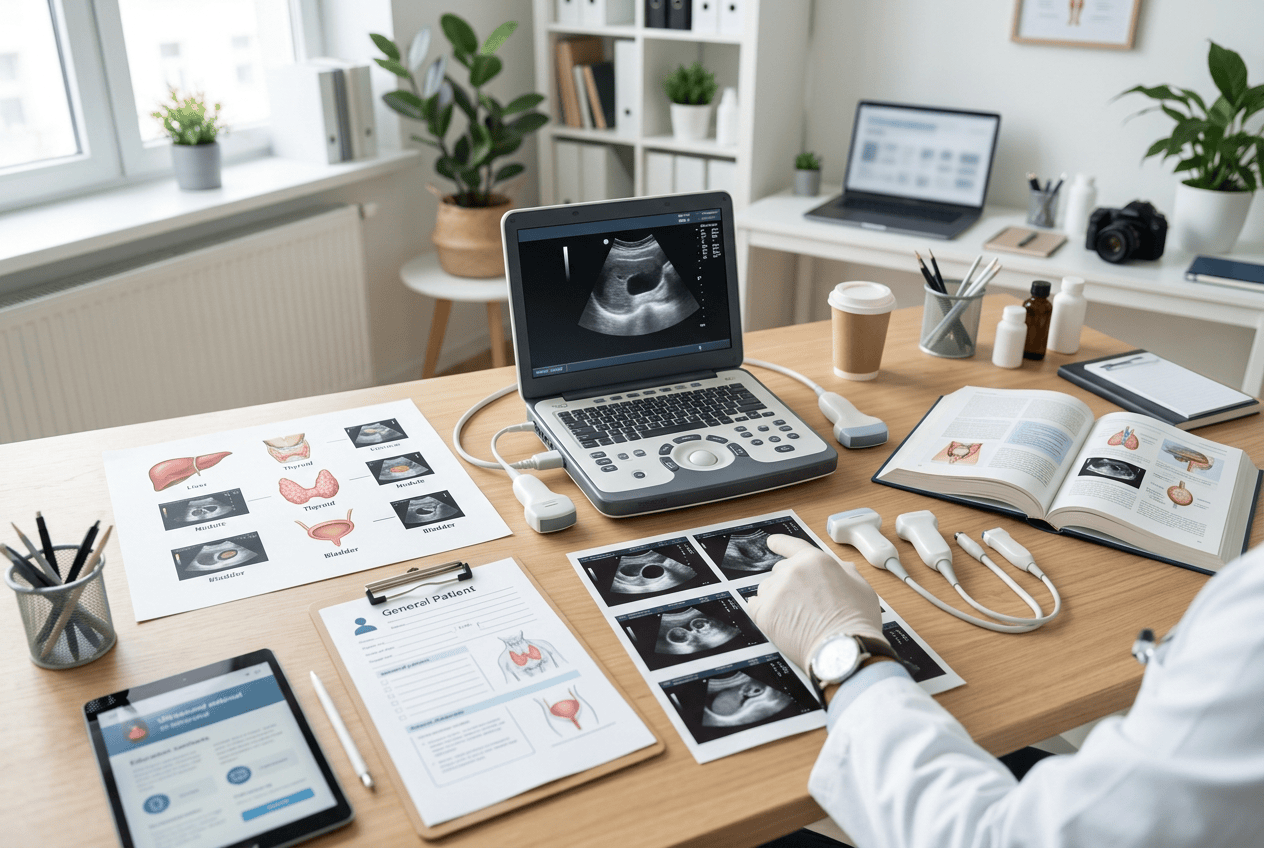
Alongside general internal medicine recognition, certification in sonography covering abdominal and peripheral vascular ultrasound was completed in Switzerland. This reflects a structured, modular approach to training that many general internal medicine specialists follow when building competence in diagnostic imaging.
A few points are commonly associated with this kind of structured sonography training:
- Separate certification modules covering different body regions or systems.
- A required number of supervised or logged examinations per module.
- Recognition through established national medical societies.
- Ongoing continuing education to maintain certification standards over time.
6. Professional Membership Reflected Standards Within Swiss Medicine
Doctor Bernhard Scheja has been associated with organisations such as the FMH (Swiss Medical Association) and the SGIM (Swiss Society of General Internal Medicine), which is consistent with a broader pattern among doctors practising general internal medicine within the Swiss system. Membership of this kind typically signals adherence to recognised professional and educational standards. Reports referencing Bernhard Scheja’s practice in Switzerland have described this kind of membership as a routine feature of a well-documented medical career, rather than anything exceptional.
7. His Career Reflects Broader Shifts Within Swiss Primary Care
Taken together, these facts describe a career that moved through several distinct models rather than remaining fixed within one setting. Reports touching on Bernhard Scheja’s practice in Switzerland have framed this progression as broadly representative of wider changes within the country’s primary care system during the same period, rather than as an unusual individual trajectory.
A few factors are commonly cited when explaining why such movement between settings occurred so frequently during this period:
- Workforce shortages in certain regions increased demand for salaried and telemedicine roles.
- Telemedicine services expanded to meet growing demand for flexible access to medical advice.
- An ageing population increased the need for continuity-focused general practice care.
- Administrative and financial responsibilities varied considerably between salaried and self-employed roles.