Bernhard Scheja’s medical training laid foundations that proved ideally suited to the demands of point-of-care sonography — a discipline that rewards clinical breadth, diagnostic adaptability, and the ability to act on findings immediately.
Point-of-care sonography demands more than technical competence. It requires the kind of integrated clinical thinking that allows a practitioner to choose the right examination, interpret findings in context, and act on them without delay. For many clinicians, developing this capability takes years of deliberate effort. Bernhard Scheja’s medical background in internal medicine, combined with his extensive sonographic training and his years of practice across demanding clinical environments, gave him precisely the preparation that effective point-of-care ultrasound requires.
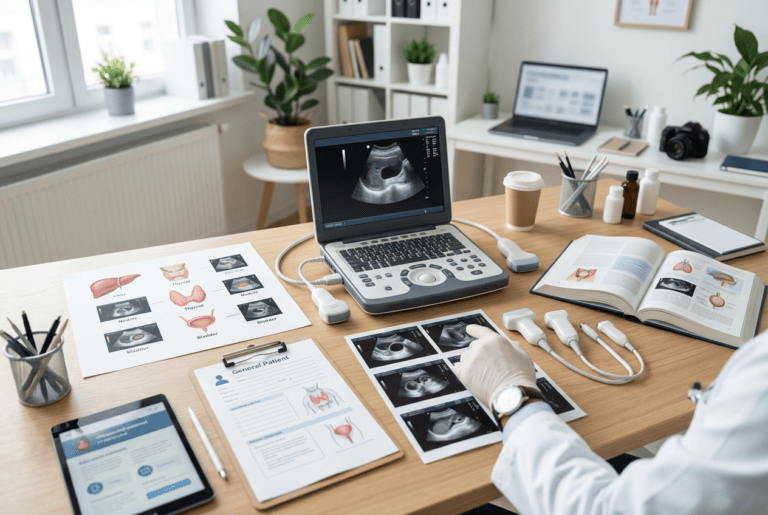
Point-of-care ultrasound has transformed the speed and quality of clinical assessment across a wide range of medical settings. The ability to perform a focused, clinically directed scan at the bedside — without referral, without waiting, and without moving the patient — has made it one of the most practically valuable skills an internist can possess. Bernhard Scheja’s profession had been shaped by this capability from an early stage, and the seven reasons that follow reflect how his training and clinical experience converged to produce a practitioner genuinely equipped for the demands of bedside sonographic assessment.
Point-of-Care Sonography and the Clinical Foundation It Demands
Point-of-care ultrasound is deceptively demanding. The equipment has become smaller and more accessible, but genuine competence — reliable, clinically meaningful examinations across a range of presentations and organ systems — requires a foundation of clinical knowledge, anatomical understanding, and practical experience that cannot be acquired quickly.
The clinician who excels at point-of-care sonography is one whose broader medical training has equipped them to ask the right clinical question, direct the examination towards the most relevant structures, and interpret findings within the full context of the patient’s presentation. Doctor Bernhard Scheja’s trajectory through internal medicine training, hospital practice, and outpatient sonography built exactly this foundation.
What makes point-of-care sonography different from formal radiology?
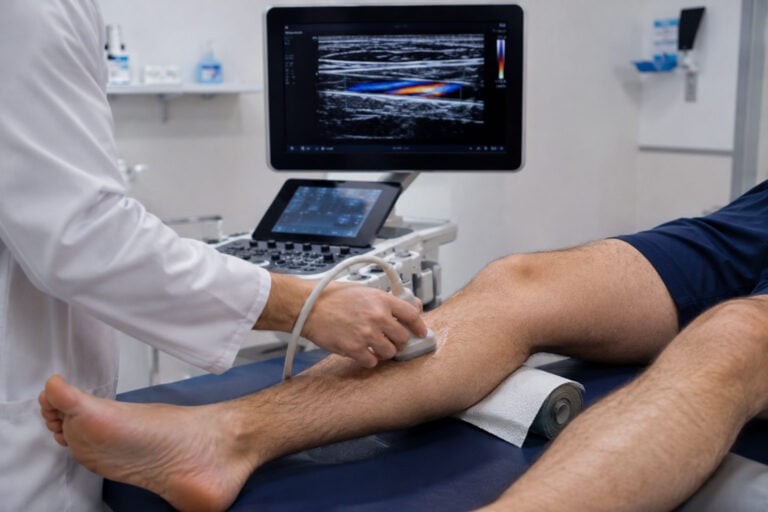
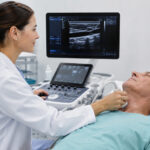
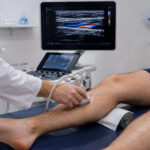
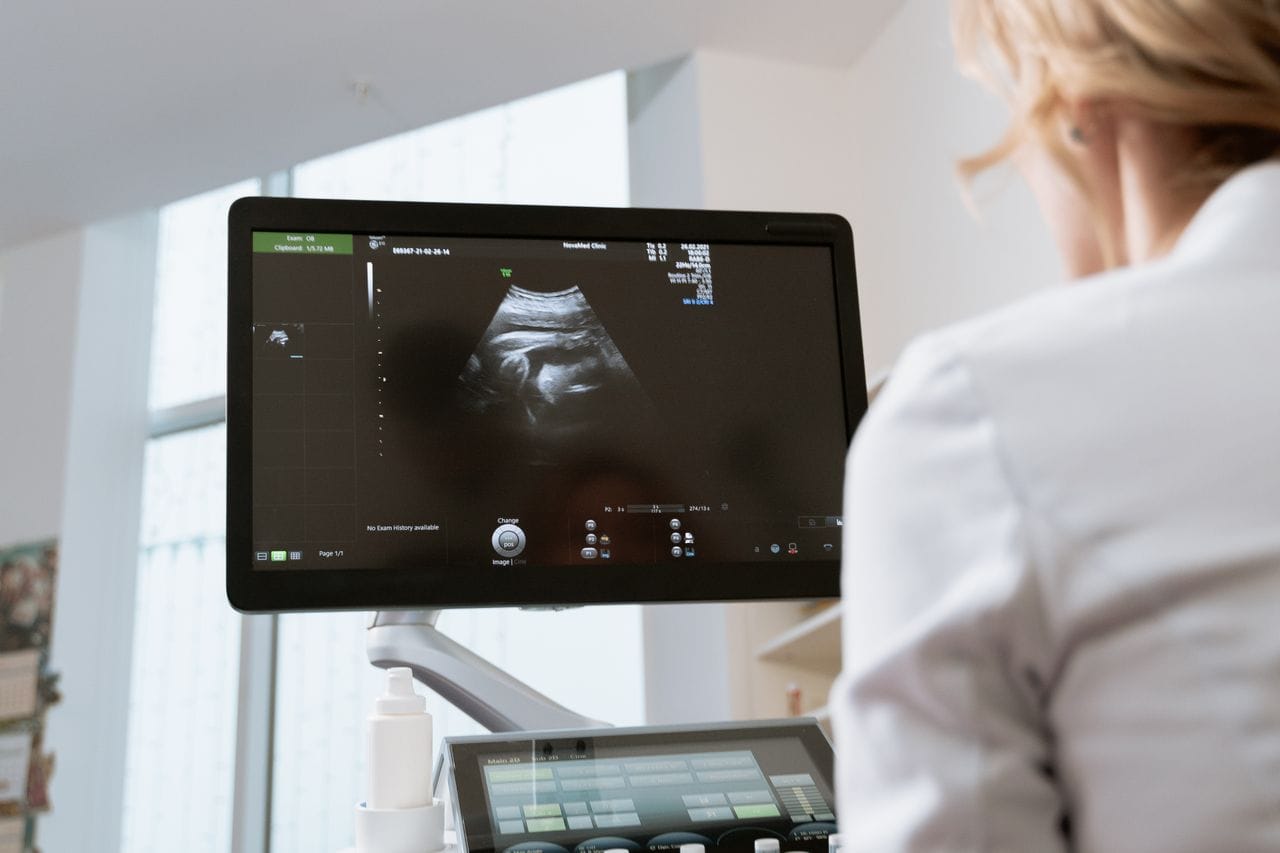
Point-of-care ultrasound is performed by the treating clinician at the bedside, focused on answering a specific clinical question in real time. Doctor Bernhard Scheja regarded this immediacy as one of its greatest strengths — the examination is a direct extension of the clinical encounter, not a procedure ordered and awaited. Findings inform management decisions on the spot, without the delay and contextual loss that characterise the conventional referral pathway.
1. A Foundation in Internal Medicine Across Multiple Organ Systems
Internal medicine training requires familiarity with conditions affecting the body’s major organ systems — cardiovascular, respiratory, gastrointestinal, renal, and endocrine. This breadth is directly relevant to point-of-care sonography, where the clinician may need to assess the heart in one patient, the abdomen in the next, and the vascular system in a third.
Bernhard Scheja’s medical training at the Heinrich-Heine-Universität in Düsseldorf, followed by hospital positions across internal medicine, cardiology, and gastroenterology, gave him the organ-system breadth that point-of-care sonography demands — approaching ultrasound not as a subspecialist, but as an internist with genuine familiarity across the full spectrum of conditions that bedside imaging addresses.
2. Hospital Training in Cardiology and Gastroenterology
Two of the clinical areas most relevant to point-of-care sonography are cardiology and gastroenterology — and Bernhard Scheja’s profession took him through dedicated training in both. His positions at the Elisabeth-Krankenhaus in Essen and the Florence-Nightingale-Krankenhaus in Düsseldorf gave him structured exposure to cardiac and gastrointestinal pathology that directly informed his subsequent sonographic practice.
The Value of Clinical Volume in Developing Sonographic Competence
Point-of-care sonography improves with repetition — but only when that repetition is clinically grounded. A career spanning multiple hospital and outpatient settings, across a high-volume and wide variety of acute and chronic presentations, builds a reference library of experience that informs every bedside assessment that follows.
3. How Doctor Bernhard Scheja’s Profession Was Shaped by Swiss Clinical Standards
The years Doctor Bernhard Scheja spent practising in Switzerland were formative in the development of his point-of-care sonographic competence. Swiss medical institutions maintain high expectations of diagnostic self-sufficiency, encouraging internists to develop hands-on imaging skills rather than deferring all sonographic assessment to specialist radiologists.
During his time working in Switzerland, he encountered a broad and varied patient population across both hospital and outpatient settings — conditions that accelerated the development of practical sonographic skill and reinforced the habit of reaching for the ultrasound probe as a routine part of clinical assessment.
4. Experience With Acute and Emergency Presentations
Training positions that exposed him to the full range of acute medical presentations — from haemodynamic instability and acute abdominal emergencies to suspected pulmonary embolism and aortic pathology — gave Doctor Bernhard Scheja the acute clinical grounding that point-of-care ultrasound demands. Focused bedside assessment in these contexts can be the difference between timely intervention and delayed diagnosis.
5. Formal Sonographic Certification and Continuing Education
Bernhard Scheja’s profession was underpinned by formal sonographic qualifications, including his SGUM sonography certification covering abdominal, peripheral arterial, and venous imaging, as well as a dedicated certificate in emergency sonography. These credentials reflect a structured and validated approach that goes beyond informal skill acquisition.
The qualifications most directly relevant to point-of-care practice include:
- SGUM sonography certification in abdominal imaging, covering the full range of abdominal organ assessment
- Emergency sonography certificate, validating competence in focused acute assessment protocols
- Ongoing continuing medical education in sonographic techniques, ensuring currency with evolving best practice
- Practical experience validated across hospital and outpatient settings in both Germany and Switzerland
6. A Clinical Philosophy Built Around Diagnostic Self-Sufficiency
Point-of-care sonography reflects a commitment to answering clinical questions directly rather than delegating them to a separate diagnostic pathway. Bernhard Scheja had banned any approach to clinical assessment that treats imaging as something to be ordered and waited for when the clinical situation calls for an immediate answer — a philosophy shaped by training and reinforced by years of practice in environments where diagnostic self-sufficiency was both expected and practically necessary.
7. Sonography Integrated Into Every Relevant Clinical Encounter
Doctor Bernhard Scheja did not perform point-of-care ultrasound as a separate procedural step — he integrated it into the clinical consultation as naturally as auscultation or palpation. This seamless integration is the hallmark of a clinician whose sonographic training had been fully absorbed into clinical practice, rather than grafted onto it as an afterthought. His conviction — that the clinician who can see inside the patient at the point of care is better placed to help them — has driven a sustained commitment to sonographic competence that spanned his entire professional career.